Makers to Meet Across Mountains and Sea

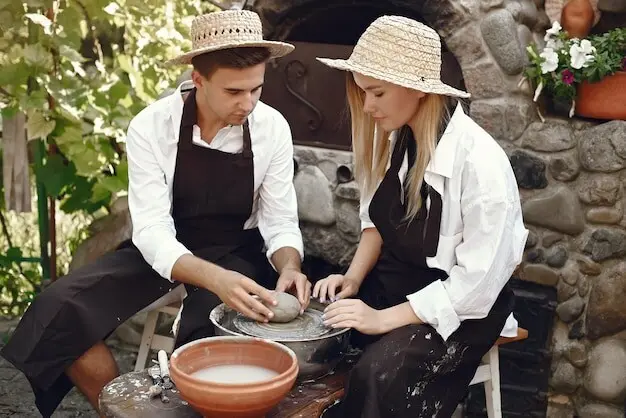
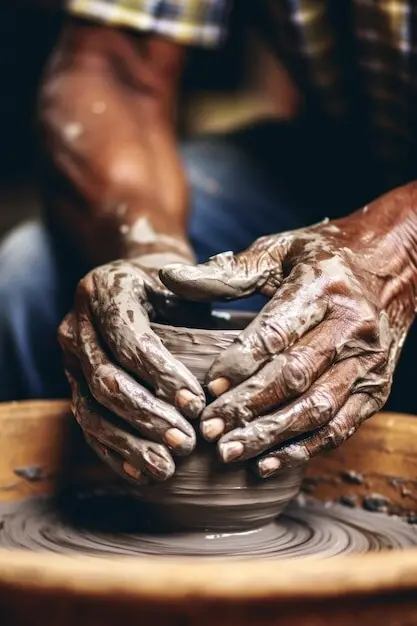
Join us as we journey into Makers to Meet: Profiles of Artisans Across the Alpine-Adriatic Corridor, celebrating woodcarvers, lace artists, stonemasons, boatbuilders, cheesemakers, and designers who shape everyday beauty between high passes and salt-bright harbors. We will share studio stories, travel notes, practical tips, and heartfelt encounters that illuminate how landscape, language, and lineage guide the hand. Subscribe, leave a comment about which workshop you would visit first, and help us map future visits by suggesting hidden masters deserving a spotlight.

Landscapes That Shape Skill

From the Dolomite silhouettes to the karstic plateaus and the breezy, limestone coasts, the corridor’s geography trains the eye and the palm. Alpine winters demand objects that endure, while Adriatic summers invite lightness, luster, and air. Makers speak of rivers that polish stone, of the bora wind that cures meats and minds, and of passes where merchants once traded wool, salt, and stories. Learning the land’s grammar explains why a spoon curves this way, why a lace motif resembles edelweiss, and why boats sit flat yet fly across chop.

Mountain Wood, Valley Wool

In high valleys, foresters point to larch hardened by cold, perfect for spoons and shingles, while shepherds card mountain wool into felt that warms without weight. Villages remember when mothers spun by hearthlight and grandfathers carved saints and toy animals by lamplight. Today’s weavers and woodcarvers balance durability and grace, marrying tight-grained boards with soft textiles dyed in walnut husks. Their pieces carry the quiet of snow, the creak of sledges, and the discipline winter teaches to every artisan’s patient hand.

Salt Air, Silent Harbors

Down by protected bays, boatbuilders watch the color of morning water before choosing planks, knowing how a hull must hold when winds turn mischievous. Net menders count knots by rhythm more than sight, their fingers memorizing work taught on docks where gulls outshout clocks. In museums and working yards, you will find the low, sturdy batana and other shallow craft, born to skim shoals and slip under weather. Their lines echo a practical poetry, written by tides, repaired with hemp, pitch, and patient talk.

Crossroads of Tongues, Shared Hands

Italian, Slovene, German, Friulian, and Croatian words mingle across markets, yet the craft vocabulary often resolves into gestures: a thumb pressed to show curve, a tap for balance, a nod for weight. Patterns travel faster than passports; a lace edging whispers across borders, a joinery trick trades at a fair, a dye recipe crosses with a cousin’s wedding. This multilingual chorus shapes resilient workshops that welcome travelers and neighbors alike, proving that shared hands can translate subtleties far better than any dictionary page.

Materials With Memory

The corridor’s materials arrive already speaking: karst limestone holds sea stories in its pores; spruce and larch rings chart winters; flax and cotton remember palms that spun them; salt crystals sparkle like miniature suns. Every choice—wood species, thread weight, stone grain, beeswax finish—carries histories of place and practice. When artisans insist on local sourcing, they are not chasing nostalgia but reliability, rhythm, and ethics. Provenance becomes part of performance, ensuring bowls will not split, lace will not sag, and steps carved in stone will welcome generations.

Karst Stone Carved by Wind and Water

On the plateau above coastal towns, quarries yield pale, dense stone that resists weather and rewards patience. Stonemasons speak of reading bedding planes like sheet music, letting each strike of the chisel release a note. You will see thresholds, cistern rims, and window frames that seem to glow at dusk, carved with rosettes or simple lines. Workshops still sharpen the same steel profiles that grandfathers used, while apprentices learn to lift with legs, not backs, honoring a craft where precision protects both body and building.

Threads and Lace from Idrija and Beyond

In lace rooms filled with quiet concentration, bobbins click like soft rain as patterns unwind across pillows pinned with patient maps. Elders recall selling collars to travelers, while younger artists turn motifs into earrings, cuffs, and framed shadows that modern homes adore. Teachers emphasize tension and breath, reminding students that steadiness travels from shoulder to fingertip. When festivals unfurl, streets blossom with delicate borders fluttering between antique portraits and contemporary design. Each finished length carries hours counted not by clocks but by patterns memorized like lullabies.

Larch, Spruce, and Walnut Grain

Woodcarvers cherish timber stacked for years, seasoned until a knock rings like a well-tuned bell. Knives trace along grain lines to avoid tearing, chisels scoop light where faces need kindness, and gouges deepen shadows on wings and robes. Some workshops focus on secular forms—playful animals, sleek ladles—while others tend altars and guardian figures. Walnut delivers warmth for portraits; spruce offers agility for delicate ornaments; larch thrives outdoors. Finishes blend oils and beeswax, inviting a grip that feels like handshake, steady, honest, and welcoming.
Anja, Bobbin Lace Artist in Idrija
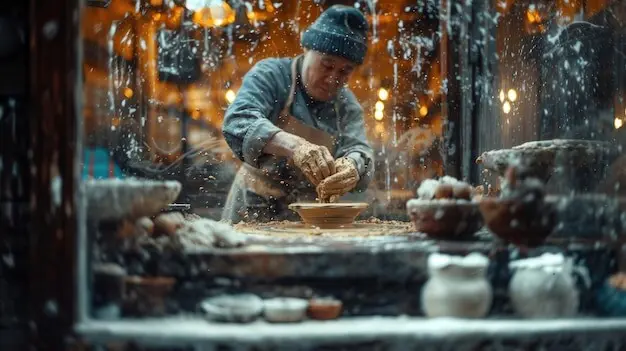
Anja learned to count with pins, her grandmother tapping a rhythm on the pillow’s edge each winter evening. Now she designs airy cuffs that echo historic borders yet suit modern sleeves, selling pieces that travel far beyond valley roads. During the town’s summer celebration, she demonstrates how breath steadies the hand when threads cross and twist. She asks visitors to lean in close, to hear the gentle clatter that signals progress, and to promise they will wash lace tenderly, like a keepsake memory made visible.

Mateo, Builder of the Rovinj Batana

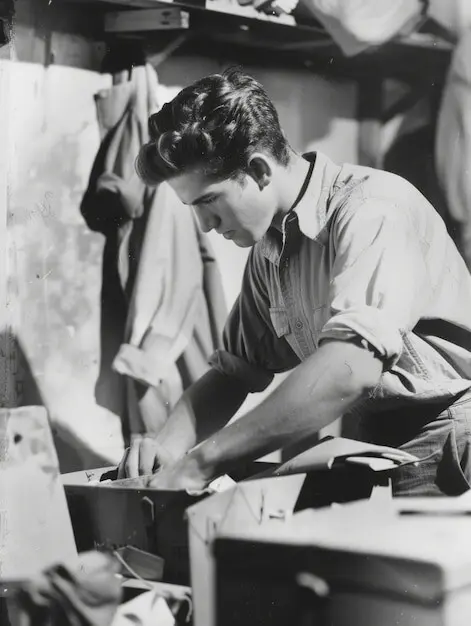
Mateo keeps a little notebook smudged with pitch, recording weather, planks chosen, and repairs that taught him humility. He remembers launching at dawn beside elders who judged a boat by silence: fewer creaks meant better balance. Young volunteers now join him, sanding ribs and learning the language of bevels. When tourists ask for souvenirs, he points instead to the water, inviting them to ride and feel the hull converse with waves. Photographs cannot show this dialogue; only patience and oars can translate it properly.

Tradition, Reimagined for Tomorrow

Fresh techniques do not erase heritage; they reveal new angles. Designers scan historic motifs, then scale and repeat them in ways impossible by eye alone. Boatbuilders test eco resins alongside tar; weavers sample plant-dyed hues beside industrial matches. Cross-border residencies pair apprentices with elders, while cooperatives share marketing and shipping, keeping more value in villages. The goal is not novelty for its own sake but continuity with clarity: beauty that earns daily use, repairs gracefully, and convinces the next generation that handwork remains a worthy life.

Savor and Wear the Region

Craft lives on the tongue and skin as much as on shelves. Cheeses matured in mountain air develop textures that mirror slopes; cured meats hold whispers of bora winds and time. Felt hats shade eyes used to scanning peaks; woven belts cinch stories at the waist. Makers teach us to taste slowly and choose garments we can mend. When you pair a hand-carved board with local cheeses or fasten lace at your collar, the corridor’s geography steps closer, asking you to honor makers with grateful, thoughtful use.

Cheeses of Montasio and Tolmin

In cool rooms lined with pine, wheels are turned and brushed until rinds settle into dependable armor. Montasio reveals herbal sweetness and nutty length, perfect on carved plates beside pears. Tolmin-style cheeses share mountain clarity, shaped in copper kettles where morning milk steams like fog lifting from meadows. Visiting affineurs, you learn to listen for a hollow thump that signals readiness. Buy directly when you can; ask names of pastures and herds. Provenance sharpens flavor, and your questions help preserve farming families’ careful work.

Karst Air-Dried Prosciutto and Sea Salt

On breezy plateaus, legs of pork rest for months, salted and massaged with routines refined by weather and elders’ judgment. The bora’s dry breath aids a clean cure, while sea salt from nearby pans adds mineral whispers. Sliced thin, each translucent ribbon tastes of patience. Many producers share guided visits, teaching respectful slicing and storage. Labels often carry European protections that honor place and method, helping buyers support integrity. Paired with crusty bread and olives, this craft becomes a meal that tastes like landscape itself.

Felt Hats, Woven Belts, and Leather

Hatteries block felt on wooden forms blackened by decades of steam, coaxing brims that keep mountain glare agreeable. Weavers tread looms where belts gain strength from rhythm, their patterns recalling rivers and ridgelines. Leatherworkers cut by grain, not guess, stitching with waxed thread that outlasts fashion moods. Makers encourage repairs, resewing sweatbands or reblocking crowns after storms. When you choose such garments, you inherit responsibility as much as style: to brush, air, and mend, letting objects soften to your life while preserving their crafted backbone.

Festivals and Open Studios

Plan around celebrations where streets turn into classrooms and galleries. Lace days transform quiet towns into patterns fluttering between balconies; maritime museums launch traditional boats at dawn; mountain markets host demonstrations of carving, weaving, and butter making. Dates shift yearly, so confirm with local organizers and tourist boards. Arrive early for conversations before crowds thicken. If language worries you, remember gestures and smiles help, and many makers speak neighboring tongues. Bring stories back to our comments so others can follow with confidence and curiosity.

Workshops You Can Try

Look for introductory woodcarving sessions in alpine villages, bobbin lace classes run by dedicated schools, and guided harvest walks through protected salt pans where rakes hum like long violins. Weekend courses often include tools and materials, letting you feel progress under your own hands. Ask about age limits, accessibility, and translation; most hosts adapt gladly. Photograph steps with permission, then practice small exercises at home. Share your results with us, celebrate imperfections, and tell us which techniques surprised you most. Learning builds empathy for every crafted object.

Support Beyond Travel

If you cannot visit soon, you can still stand beside these workshops. Purchase directly from makers’ sites, commission repairs instead of replacements, and request provenance details so care continues past checkout. Consider gifting subscriptions to regional food boxes or contributing to apprenticeship funds that help train patient hands. Leave respectful reviews that mention durability and service, not just appearance. Finally, write to us with artisans deserving attention. Your steady interest keeps tools sharp, looms singing, and boats ready for the next honest day’s work.

Xariravozorikentovexo
Privacy Overview

This website uses cookies so that we can provide you with the best user experience possible. Cookie information is stored in your browser and performs functions such as recognising you when you return to our website and helping our team to understand which sections of the website you find most interesting and useful.