
Carried by an Emerald Current
Join us for River Routes of Making: Following the Soca/Isonzo from Mountains to Sea, a journey that listens to water and the people who work beside it. From cold alpine springs to the bright Adriatic, we trace crafts, kitchens, and workshops that draw power, color, and patience from the river’s changing character, discovering how place, memory, and skill keep traditions alive while inviting new, hopeful inventions.
Mapping the Emerald Backbone
The Soca/Isonzo cuts a luminous path from the Julian Alps to the Adriatic, inviting travelers to understand place through motion. Reading its bends reveals more than geography; it reveals a living index of livelihoods, languages, and practical know-how, carried between stones, meadows, and towns that rise and fall with floods, bridges, and the steady cadence of hands that make.
Where Limestone Breathes in Turquoise
Glacial springs and limestone beds scatter light into that famed green-blue, a moving lesson in minerals and reflection. Makers along the banks read this clarity like a weather report, timing dye baths, wood curing, and even photographic cyanotypes to water temperature, flow, and silt, letting nature’s filter determine colorfastness, surface texture, and the patient pace of work.
Villages Strung Like Beads
From Trenta to Kobarid, Tolmin, Kanal, and onward toward Gorizia, communities align with fords, terraces, and dependable eddies. Their spacing isn’t accidental; it charts foraging routes, grazing rhythms, market days, and ferry points. Each stop shelters a distinct habit of making, tuned to local wind, available woods, nearby stone, and the reliable friendship of neighbors sharing tools.
Hands at the Source: Mountain Craft
High upstream, where the river is young and quick, making begins with shelter, heat, and food that endures winter. Workshops are small, often part of homes, and tools pass through generations like family recipes. Here, work respects altitude: wood dries slower, wool felts faster in cold, and recipes and joinery flex with weather as a daily collaborator.
Carving Storm-Felled Spruce
After winds or heavy snow, spruce and larch become blessings rather than waste. Woodworkers select storm-felled trunks for bowls, paddles, stools, and pack frames, curing them by open windows where mountain air moves gently. Knots and grain shifts aren’t flaws; they’re truthful maps of exposure and wind, celebrated with oil finishes that deepen color like wet river stones.
Wool, Felt, and Winter Evenings
Shepherd paths and valley barns sustain a felt culture of slippers, hats, and satchels whose forms honor necessity. Carding near the hearth, felting with alpine water, and fulling by hand create dense warmth and long use. Patterns echo ridgelines and avalanche fences, while natural dyes from walnut husks and onion skins yield browns and golds that match frost-touched pastures.
Cheese with the Taste of Altitude
On summer pastures above Tolmin, milk gathers meadow notes into wheels of Tolminc, a firm cheese matured slowly to balance sweetness and spice. Wooden molds, cool stone rooms, and careful turning bind daily chores to microclimates. Every slice remembers weather, grass, and the steady movement of hands trained to judge curd, temperature, and patience without a clock.
War, Memory, and Reinvention Along the Banks
Stone Speaks at Kobarid
Around Kobarid, paths to memorials and the museum invite quiet reading of landscape. Stonemasons shape markers and steps that resist frost heave and guide respectful feet. Their chisels learn the river’s patience, revealing veins and bedding planes as design partners. Each inscription balances loss with continuity, reminding visitors that care is the most durable local material.
Metal Reborn from Fragments
Blacksmiths and artists sometimes inherit boxes of twisted wire, buckles, and anonymous shards. In attentive hands, these pieces find new lives as garden tools, hinges, or art that refuses waste. Heat, hammer, and quench transform grief into serviceable objects, teaching apprentices that restorative making is both practical resilience and a gentle way to hold complicated history.
Bridges, Trades, and Returning Skills
Postwar rebuilding demanded masons, carpenters, and engineers to rethread the valley. Those urgent years seeded today’s collaborations: timber framers working with stonemasons, metalworkers consulting hydrologists, weavers partnering with museum educators. What began as necessity matured into a culture of cross-disciplinary trust, where each repaired span or restored mill becomes a classroom for craftsmanship and civic generosity.
Water Power, Workshops, and New Energy
From hand-turned millstones to careful micro-hydro, the river’s force has long driven ingenuity. Makers still listen for the right hum: not too fast for gears, not too slow for belts, safe for fish and neighbors. Modern workshops pair solar with water, test fish ladders, and design tools that sip power, proving that precision thrives with ecological humility.
Mills That Taught Rhythm
Grain, saw, and fulling mills once paced days like metronomes. Their cams and levers taught mechanics before textbooks, and their failures taught repair as a communal ritual. Restored wheels now grind heritage grains for bakers who prize texture, while docents explain how river height, sluice gates, and bearing grease write the day’s possibilities in turning wood.
Idrijca’s Lace and the Patient Flow
Where the Idrijca meets the Soca near Most na Soci, bobbins click like small streams over stones. Lace-makers translate current into pattern, counting with fingertips while stories move between chairs. Designs travel to collars, lampshades, and gallery walls, proof that the quiet precision of thread can carry distance without shouting, like confluences that widen a river calmly.
Micro-Hydro and Workshop Commons
Small turbines tucked beside barns power lights, lathes, and soldering irons, matched to seasonal flow and fish passage. Cooperative sensor stations report levels to shared apps that signal when to weave, cast, or carve. This commons of data and care lets makers schedule thoughtfully, reducing waste while turning attention toward craft instead of constant, anxious guessing.
Color, Taste, and Material of the Lower Reaches
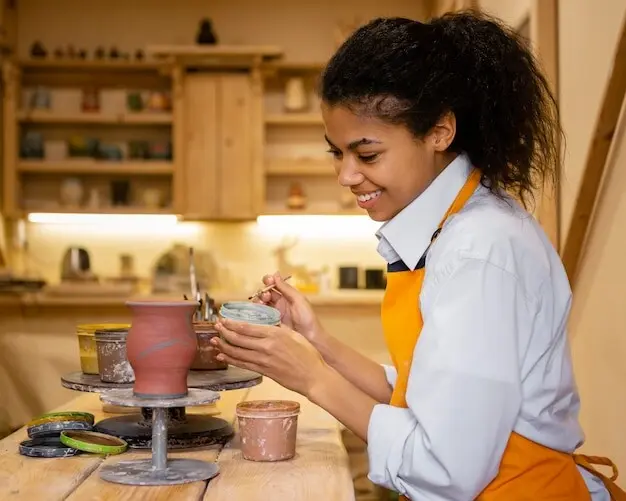
As the river slows, flavors deepen and palettes warm. Clay thickens underfoot, stone grows softer, and vineyards gather sunlight across gentle hills. Here, crafts respond to abundance with restraint: wines aged with patience, glazes tuned to smoke and ash, recipes balancing brine and herb. Making becomes hospitality, inviting conversation at long tables and open cellar doors.
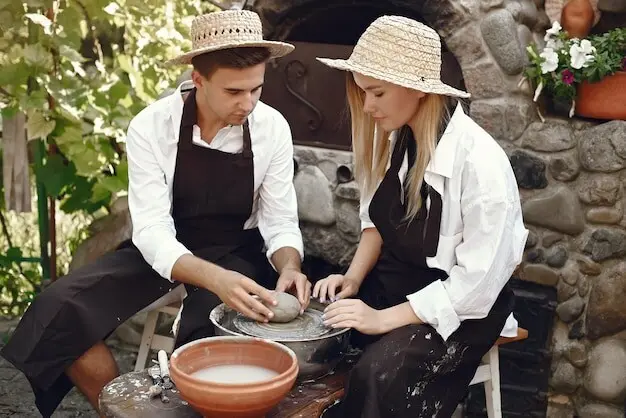
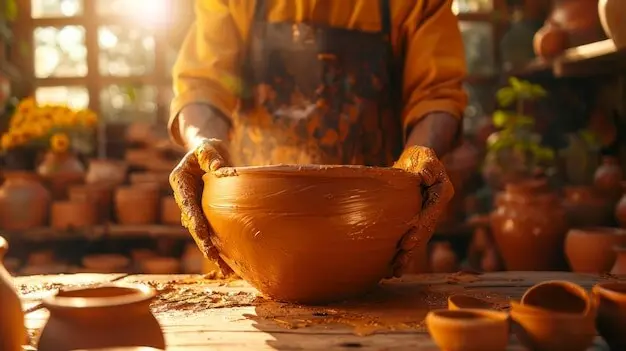
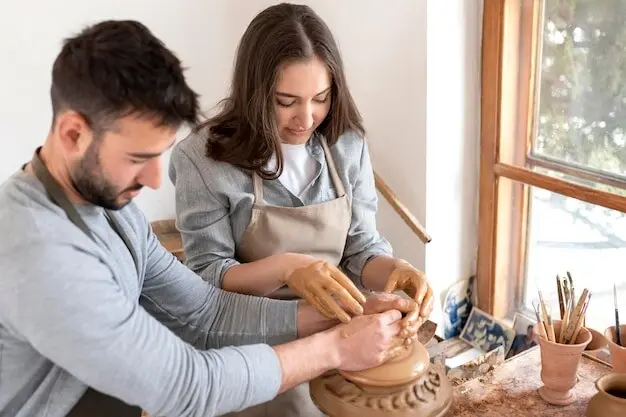
Potters and carvers draw from nearby clays and limestone, firing in kilns that remember older smokehouses. Surfaces echo river fog and evening heat, with slips mixed from local ash and crushed fragments. Stonecutters find direction in bedding lines, setting thresholds and benches that weather beautifully, guiding water away while offering hands and bodies a cool, generous rest.
Across Goriska Brda and Collio, winemakers share pruning shears and cellar stories, coaxing Rebula and other varietals toward graceful acidity and textural patience. Coopers shape staves that breathe without leaking secrets, while ceramicists craft amphorae that lend a gentle grip. Tasting becomes a workshop in perception, teaching guests to notice echoing notes like river eddies repeating downstream.
The endemic marble trout inspires chefs and conservationists alike. Strict protections and careful hatcheries allow occasional, celebratory meals shaped by respect: light smoking, herbs from terraces, polenta with a whisper of butter. Cooks share sourcing logs and catch-and-release etiquette, showing how cuisine can honor biodiversity while revealing textures and flavors that only cold, clear water can give.
Estuary to Sea: Making at the Edge
Where fresh water braids into salt near Monfalcone and the protected wetlands, craft shifts again. Boatbuilders shape hulls for shallows and sudden gusts, net-menders read tides like old friends, and naturalists teach dye-makers to treat algae and reeds gently. The horizon invites experimentation, yet every experiment is checked by wind, tide tables, and long-term stewardship.
Boatyards and Breezes
In small yards shadowed by larger shipworks, artisans laminate timbers, fair planks, and fit bronze that will learn salt slowly. They sand with patience, listening for the blade’s song that means a true curve. Test sails become mobile classrooms, where riggers explain knots, canvas grain, and why a hull that tracks straight is an everyday miracle of observation.
Nets, Knots, and Tidal Timing
Mending spreads across laps at docks where egrets stand watch. Twine choices balance abrasion with finger comfort, and floats are tuned to currents that change with moon and wind. Fishers and artists swap techniques for repairing mesh and weaving baskets, proving that maritime know-how belongs indoors too, shaping lamps, organizers, and textiles that carry truthful utility.
Wetland Guardians and Future Dyes
Estuary educators model gentle harvesting, showing how reed, willow, and certain algae can color cloth without stripping habitat. Workshops test low-mordant recipes, track runoff with community kits, and chart bird seasons as calendars for gathering. Here, ecological literacy is a core skill, guiding palettes and patterns that honor the slow intelligence of mudflats and migrating wings.
Travel Light, Make Bold: Your River Itinerary
Turn reading into movement. Pack a small kit, follow local calendars, and greet workshops generously. Plan days around water levels and festivals, leaving room for conversations that redirect plans. Share photos, sketches, tasting notes, and questions with our community, subscribe for route updates, and suggest collaborations so the river’s teaching continues in many hands and many languages.
Begin in Trenta with a morning spring walk, then carve or sketch upstream textures. Move to Bovec for a mill visit, Kobarid for museum reflections, Tolmin for cheese. Cross to Kanal for a bridge study, then Nova Gorica for lace and rail stonework. Finish near Monfalcone, listening to riggers and wetland guides before sharing your notes at dusk.
Carry a pocket knife, bone folder, small awl, travel watercolors, a waxed-thread roll, field notebook, micro-scale, and reusable sample jars. Add a compact loupe, pH strips, and a respectful code: ask before gathering, log locations, leave no trace, and gift a sketch or helping hand to every workshop that opens a door or bench.
Post your route, questions, and field discoveries in our comments, invite a friend to subscribe, and propose a meetup by a bridge you love. Offer a recipe, a jig, or a repair tip that saved your day. Your voice helps map new stops, highlight unsung makers, and keep this river of knowledge flowing generously forward.
All Rights Reserved.