Hands Across Borders: Apprenticeships That Keep Heritage Alive

Join a living journey into apprenticeships and knowledge transfer in cross-border heritage crafts, where master makers welcome curious learners, techniques travel with migrating families, and traditions adapt without losing soul. We explore real pathways, respectful agreements, digital bridges, and human stories that stitch communities together. Share your questions, add your experience, and subscribe to keep these conversations fluent, responsible, and growing as new hands learn, teach, and protect what time alone cannot preserve.

Paths into Mastery

Finding the Right Master Across Borders

Begin with community gatekeepers who care about continuity: museum educators, UNESCO intangible heritage focal points, regional guilds, and respected traders. Seek introductions rather than cold requests, learn correct forms of address, and ask what the workshop needs. A good match honors language, safety, family routines, and seasonal cycles that structure learning more reliably than any curriculum ever could.

Learning Agreements and Cultural Protocols

Clarity protects relationships. Draft simple agreements that state learning goals, hours, duties, tool care, and boundaries around filming, pattern copying, and posting on social media. Discuss credit lines for shared work, revenue splits for commissions, and permissions when teaching later. Include cultural protocols: when to greet elders, how to handle sacred motifs, and what festivities interrupt production schedules.

Funding Your Journey Without Burdening the Workshop
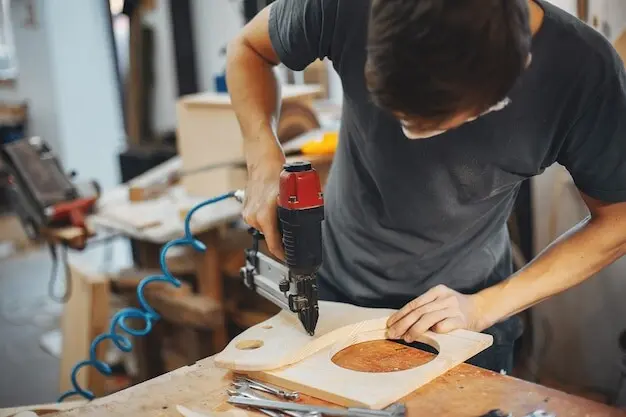
Blend support streams so your presence never strains a small enterprise. Combine heritage mobility grants, micro-patrons, fair travel stipends, and community housing. Look to Erasmus-style exchanges, craft councils, and city twinning programs. Offer useful skills in return—translation, bookkeeping, studio photography—while ringfencing learning time, ensuring reciprocity respects dignity and does not undercut local livelihoods.

When Materials Change, Principles Guide Decisions

Kente weavers adapting to European wool blends calibrate tension differently while guarding strip width and color dialogue. A potter switching to local earthenware maps shrinkage, saturation, and firing ramps. Apprentices document experiments, track failures, and keep a pattern journal that separates negotiable details from nonnegotiable structure, ensuring evolution stays rooted in technique rather than trend.

Toolmaking as a Teacher in Disguise

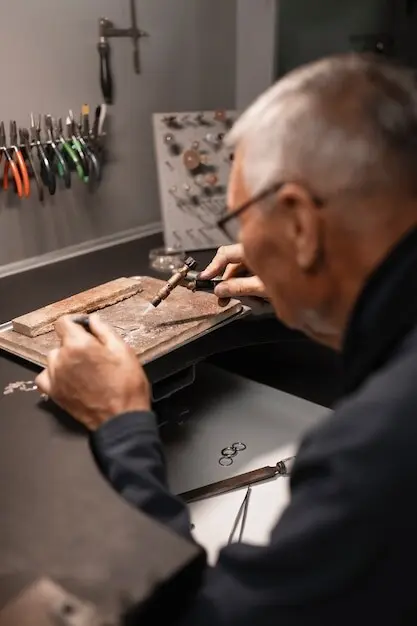
Building a simple backstrap loom, beveling your own bone shuttle, or forging a chasing hammer reveals proportions a lecture cannot. Tool angles teach posture; weight distribution dictates tempo. A cross-border mentor might request you make two of everything—one to use, one to gift—so gratitude lives inside the workshop and your understanding grows with every balanced stroke.

Rhythm Over Recipes: Learning the Felt Sense

Great masters transmit cadence as much as instruction. Count breaths during indigo dipping, listen for the copper’s ring turning dull when work-hardening sets in, feel the warp’s resistance before a break whispers. Record audio, not just video; write metaphors that fix sensations in memory. Your body becomes the archive, traveling farther than any manual.

Stories That Keep Techniques Alive

Narratives carry techniques across borders because people remember feelings before steps. A family’s loom crossing oceans, a kiln rebuilt after displacement, a market stall becoming a guild—such stories teach responsibility and courage. Apprentices gain more than skill; they inherit community memory, learning how artistry responds to storms, prosperity, and the long patience required for genuine continuity.

Attribution That Puts Food on the Table

Tag every collaborative piece with maker names, workshop location, and technique lineage. Use certificates that travel with objects, embedding QR links to revenue-sharing agreements. Retailers honor this by displaying story cards. Such crediting transforms admiration into livelihood, ensuring gratitude is measurable, reliable, and strong enough to pay rent and apprentice stipends when seasons turn lean.

Consent Before Cameras, Context Before Captions

Ask permission for every photo, video, or pattern sketch. Note which angles or sequences remain private, and who holds rights. Pair posts with cultural context to avoid flattening meaning into spectacle. Share rough edits with the workshop before publishing, creating a loop where dignity guides visibility and learners practice editorial responsibility alongside technical growth.

Digital Bridges, Real Hands

Design four-week cycles with clear artifacts: a dyed sample card, a jointed frame, a hammered texture grid. Mentors post daily cues; apprentices reply with short clips. Office hours rotate by time zone. The sprint ends with a critique and a wishlist for the in-person phase, ensuring continuity instead of scattered, unanchored effort.
Record grandmother sayings, shop safety superstitions, and mnemonic songs alongside technical steps. Host them in a multilingual, permissioned library where mentors approve access tiers. Tag entries by gesture, tool, and season. This respects privacy while preventing loss, letting the next generation hear voices and rhythms that no diagram can fully capture.
Schedule short, reliable gatherings where cameras stay on hands, not faces, if privacy is sensitive. Begin with a tea ritual, end with one shout-out for quiet progress. Emojis mark thanks across languages. A predictable cadence turns scattered learners into a workshop that breathes together, sustaining morale when projects stall or borders briefly harden.

Passing It On With Care

The best apprentices become generous mentors, translating difficult lessons into safer, clearer pathways for newcomers. Teach soon after you learn, while wonder is fresh and pitfalls visible. Build capstone projects that anchor memory in daily life. Evaluate impact thoughtfully so continuity becomes measurable, inviting funders, families, and future students to invest with confidence.
Run near-peer workshops where yesterday’s challenge becomes today’s explanation. Keep sessions small, document mistakes openly, and celebrate incremental fluency. This accelerates community competence and prevents gatekeeping, because empathy stays strong when the distance between confusion and clarity remains short, human, and honestly charted in notebooks smudged with dye or metal dust.
Choose capstones that become part of household life: a woven table runner for yearly festivals, a copper ladle used at births, a clay water jar passed to new tenants. Objects that stay close refresh memory daily, turning learning into ritual and custodianship rather than a certificate filed away and slowly forgotten.
Xariravozorikentovexo
Privacy Overview

This website uses cookies so that we can provide you with the best user experience possible. Cookie information is stored in your browser and performs functions such as recognising you when you return to our website and helping our team to understand which sections of the website you find most interesting and useful.